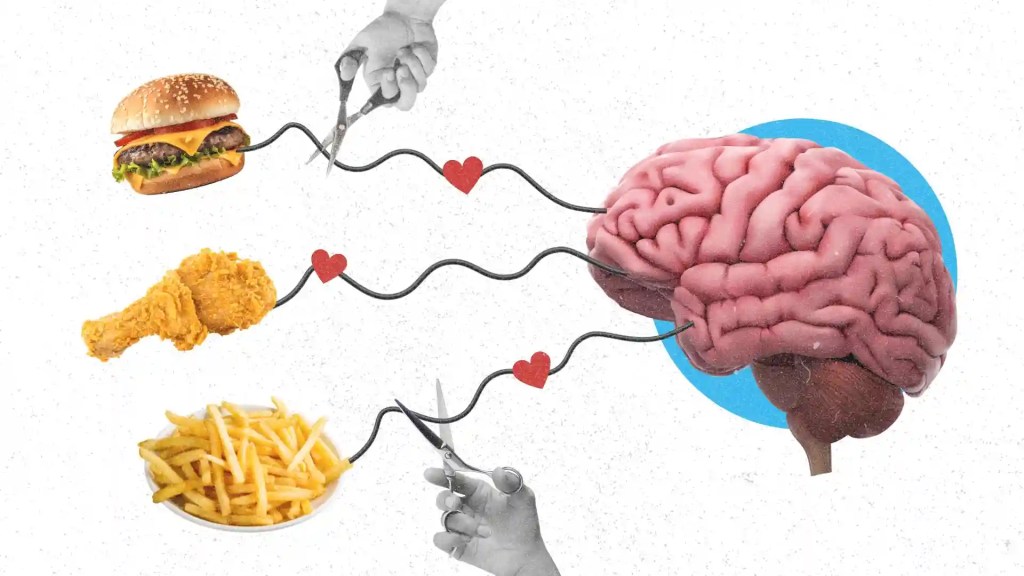
Have you ever wondered why a slice of cake feels irresistible, even when you’re not really hungry? The answer lies in the fascinating way our brain connects emotions with food.
Food is more than just fuel. Our “emotional brain” creates memories and associations with what we eat—the smell of fresh bread 🍞 , the crunch of fries 🍟 , the comfort of chocolate 🍫 after a long day. These experiences don’t just stay in our memory; they trigger our brain’s pleasure pathways, the same circuits that respond to things like music, laughter, or even falling in love.
👉🏼 Here’s the challenge: while our body has signals that tell us when we’re full, the emotional brain can easily override those signals. That’s why you might reach for another serving, not because your body needs it, but because your brain wants to relive the pleasure.
The good news is that once we understand this, we can start making better choices. Here are a few strategies to help balance the emotional pull of food with your body’s real needs:
- Pause before eating: Ask yourself—am I physically hungry, or am I eating because I’m bored, stressed, or seeking comfort?
- Find new rewards: Instead of turning to food every time you need a mood boost, try non-food pleasures like a short walk, calling a friend, or listening to music.
- Savor the moment: When you do indulge, eat slowly. Pay attention to the taste and texture. You’ll find you’re satisfied with less
📌 Food will always be a source of joy—and that’s not a bad thing. The key is to recognize when joy turns into overindulgence. By being aware of how your emotional brain works, you can regain balance and enjoy your favorite foods without guilt or regret.
After all, eating should bring both pleasure and health—not one at the expense of the other.

 Turn Projects
Leave a comment