The flaw nobody knew existed, until it was too late
Some cyber threats crash through the door with sirens blaring. Ransomware demands payment. Phishing screams CLICK ME.
Zero-days? They slip in quietly, make themselves at home, and vanish without a trace
What exactly is a Zero-Day?
A zero-day exploit targets a vulnerability that the software’s creator doesn’t even know about. That means zero-days to prepare a patch, zero defenses, and zero warning.
Imagine a castle with a hidden passage no guard has ever seen, but the enemy has been using it for months
The Real World Nightmare: Stuxnet
In 2010, something strange began happening inside Iran’s Natanz uranium enrichment facility.
Centrifuges, the delicate machines spinning uranium gas at mind blurring speed, began failing. Not all at once, and not in an obvious way. They just…broke.
The engineers were baffled. The readings looked perfect. The systems insisted everything was fine. Yet machine after machine was being destroyed.
They were fighting an enemy they couldn’t see.
The Ghost in the Machine
Security researchers later discovered the culprit: a piece of malware so advanced it felt like science fiction.
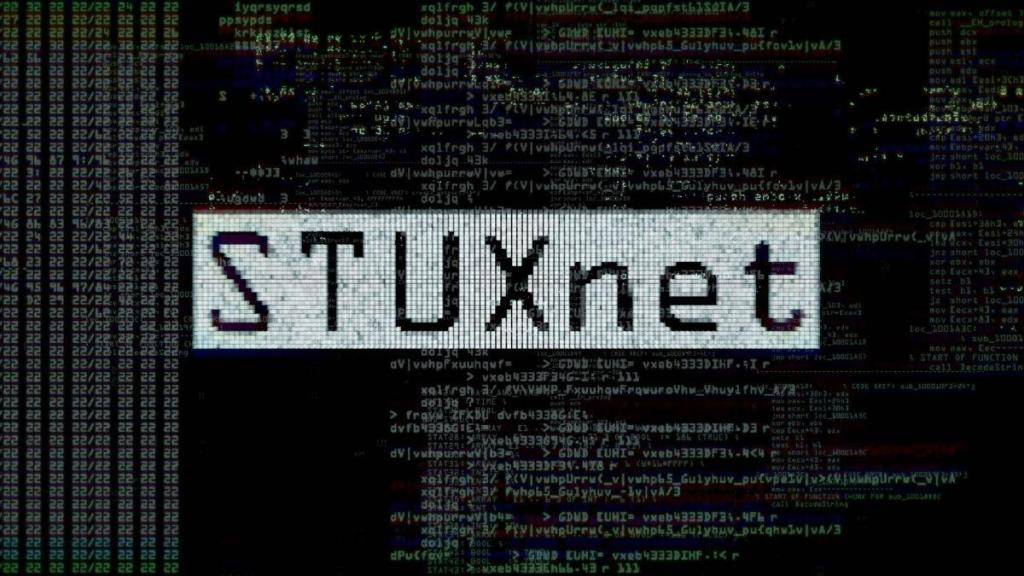
They called it Stuxnet
Stuxnet didn’t just steal files or crash systems.
It rewrote reality.
It used twenty zero-day exploits in Microsoft Windows, flaws that nobody, not even Microsoft, knew existed.
That’s twenty invisible keys to twenty invisible doors.
It spread like any ordinary worm at first, moving through USB drives, hopping from one machine to another
It didn’t just appear overnight.
It had been inside for a long time months, maybe years silently learning its environment, spreading, and preparing.
But once it found it’s true target – Siemens industrial control systems – it began its real mission
Sabotage in Silence
Here is what made Stuxnet terrifying: it altered the centrifuge speed in ways that would damage the equipment, while feeding false “all clear” signals back to the engineers’ screens.
To the human eye, everything looked fine.
Under the surface, the machine were tearing themselves apart.
Cyberwarfare’s Big Reveal
Experts believe Stuxnet was a joint operation by nation states, widely attributed to the U.S. and Israel, designed to slow down Iran’s nuclear program without firing a single shot.
It was precise. Silent. Devastating.
And it marked the dawn of a new era: one where software could destroy hardware, where wars could be fought with code instead of bombs

 Turn Projects
Leave a comment