Imagine this….
You sit down
You turn on your screen
And everything is….gone.
Not deleted
Just held hostage
This is ransomware, not a virus and not a glitch
It is a digital ransom note. A silent ambush. A cold demand
And it hits before you even know you are a victim

Stage 1: The Entry Point
It usually starts simple
A click on a fake invoice
A resume attachment from someone who is “very interested in the position”
A poisoned software update from a vendor you trust
You open the file.
Nothing happens… or so you think
But deep inside your system, something is already moving
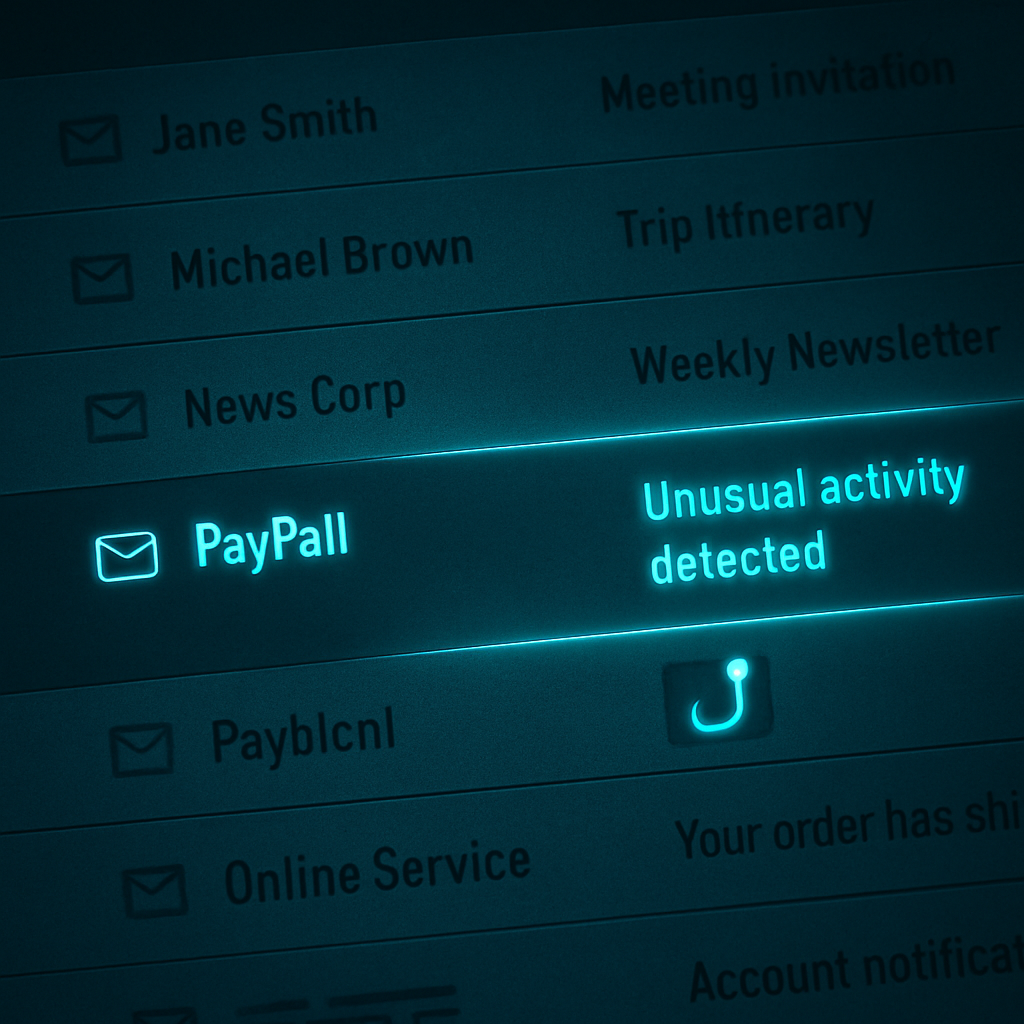
Stage 2: The Payload
Once inside, the ransomware spreads
It crawls through your files
It scans your network
It finds everything worth holding hostage and encrypts it all
Think documents, pictures, databases, backups, whatever it is
Sealed shut with military grade encryption
You’re essentially locked out of your own world
Stage 3: The Demand
Then it hits
A note
Usually polite. Sometimes even branded
“Your files have been encrypted. Pay $X in Bitcoin to receive the decryption key”
A timer starts ticking.
Pay up or lose everything
Pay up, and maybe you’ll get your files back. Maybe
Stage 4: The Fallout
Even if you pay…
- Your data could be leaked anyway
- Your systems might still be broken
- You’re now on a list of “people who pay”
and if you don’t pay?
- Your business could collapse
- Patient data, financial info, or intellectual property may be destroyed or sold
- Recovery could cost more than the ransom itself
Either way, you’ve already lost
The Global Meltdown – WannaCry(2017)
On May 12, 2017, the world stopped
A ransomware worm called WannaCry began spreading like wildfire
It didn’t just target one company
It targeted everything
Using a leaked NSA exploited named EternalBlue, WannaCry exploited a vulnerability in outdated windows systems. It spread without needing users to click anything, it just jumped from machine to machine
What did WannaCry do?
- Encrypted files on the victims computer, locking them out
- Displayed a ransom note demanding payment in Bitcoin to restore access
- Used a vulnerability on Windows to spread like WIldfire across networks without user interaction
- Once inside a network, it jumped from machine to machine using the SMB protocol, making it especially devastating for larger organizations
The damage?
- Over 200,000 systems infected
- 150+ countries affected
- Estimated $4 billion in damages
- Hospitals, railways, factories, and telecoms shut down
- UK's NHS had to cancel surgeries and divert ambulances
Wanna cry changed everything.
It showed the world what happens when outdated security meets advanced cyberweapons
and the worst part?
A 22 year old security researcher stopped it by accidentally triggering a kill switch.
The kill switch?
The “Kill Switch” was an accidental flaw in the WannaCry code
- A 22 year old security researcher named Marcus Hutchins discovered that the malware checked for a non existent domain before executing
- If that domain did not exist, WannaCry would infect the system
- Marcus registered the domain, effectively activating the kill switch, causing the malware to shut itself down on infected systems that could connect to it
- Note: This didn't decrypt infected machines but stopped new infections from spreading further
So why does Ransomware still work?
Because it preys on routine
On trust
On speed
On that one click in a normal day that opens the door to everything
and because companies, governments, even hospitals…. keep paying
How do you stop it?
- Back up. Constantly. Separatley
- Patch systems. update like your life depends on it
- Train everyone. Your staff is your firewall
- Segment your network. One infected laptop shouldn't take down your data center
- Plan for the worst. Have a response plan before the message shows up

 Turn Projects
Leave a comment